
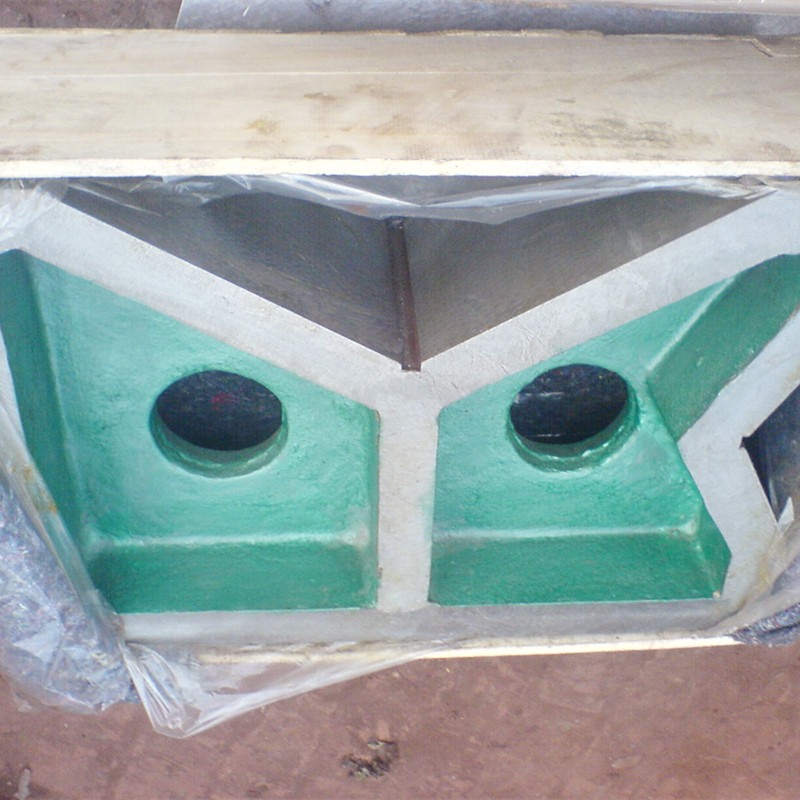
tempered obscure glass
The Role and Importance of Snap Gauge Manufacturers in Precision Measurement In the world of manufacturing and machining, precision is of utmost importance. Every millimeter counts, and dimensions must be adhered to with strict accuracy. This is where snap gauges come into play—tools essential for ensuring that components meet design specifications. Snap gauge manufacturers specialize in producing these high-precision measurement tools, contributing significantly to quality control and efficiency in various industries. What are Snap Gauges? Snap gauges are measuring devices that allow manufacturers to quickly and accurately assess whether a workpiece fits within specified tolerances. Unlike traditional calipers, snap gauges are designed for speed and ease of use, enabling operators to check the dimensions of a part in a matter of seconds. They work by snapping onto a workpiece, hence the name, and can provide immediate feedback about the part's conformity to the desired measurements. Types of Snap Gauges Snap gauges come in various forms, each tailored to specific applications. The most common types include 1. Go and No-Go Gauges These are used to check if a workpiece is within acceptable limits. A go gauge checks that the workpiece is not larger than the specified measurement, while a no-go gauge ensures that the workpiece is not smaller than the minimum allowed size. 2. Fixed Snap Gauges Fixed gauges are set to a specific dimension and are used to check parts that should conform to that size, making them highly reliable for mass production environments . 3. Adjustable Snap Gauges These offer versatility as they can be adjusted to measure various dimensions, making them ideal for workshops that deal with different types of components. snap gauges manufacturer The Manufacturing Process Snap gauge manufacturers utilize advanced technology and materials to create accurate and durable measuring instruments. The process begins with design, where engineers develop prototypes using computer-aided design (CAD) software. This step is crucial, as the layout must accommodate precise calibration. Once the design is finalized, the manufacturing phase begins. High-quality materials such as stainless steel or carbide are often used for their strength, durability, and resistance to wear. Precision machining techniques, including CNC (Computer Numerical Control) milling and grinding, ensure that each snap gauge is produced with exacting standards. After the manufacturing process, quality control is paramount. Each gauge is tested and calibrated to ensure they meet international measurement standards. This rigorous testing guarantees that manufacturers deliver tools that their customers can trust for accuracy. The Impact of Snap Gauge Manufacturers The contributions of snap gauge manufacturers extend beyond mere tools; they affect the entire manufacturing landscape. By providing reliable measuring instruments, these manufacturers help companies minimize waste, reduce rework, and improve overall product quality. In industries such as automotive, aerospace, and electronics, where even minute variations can lead to costly errors, the role of snap gauge manufacturers becomes even more critical. Furthermore, with the advancing technology in manufacturing, including the rise of automation and IoT (Internet of Things), snap gauge manufacturers are adapting. They are integrating smart technologies into their products, allowing for real-time data collection and analysis, thereby increasing productivity and efficiency in manufacturing processes. Conclusion In conclusion, snap gauge manufacturers play a vital role in ensuring precision in various industries. By focusing on quality, innovation, and adaptability, they not only produce essential tools for measurement but also contribute to the overall efficiency and effectiveness of the manufacturing sector. As technology continues to evolve, the future of snap gauge manufacturing holds significant promise, paving the way for even greater advancements in precision engineering.
about
tempered obscure glass
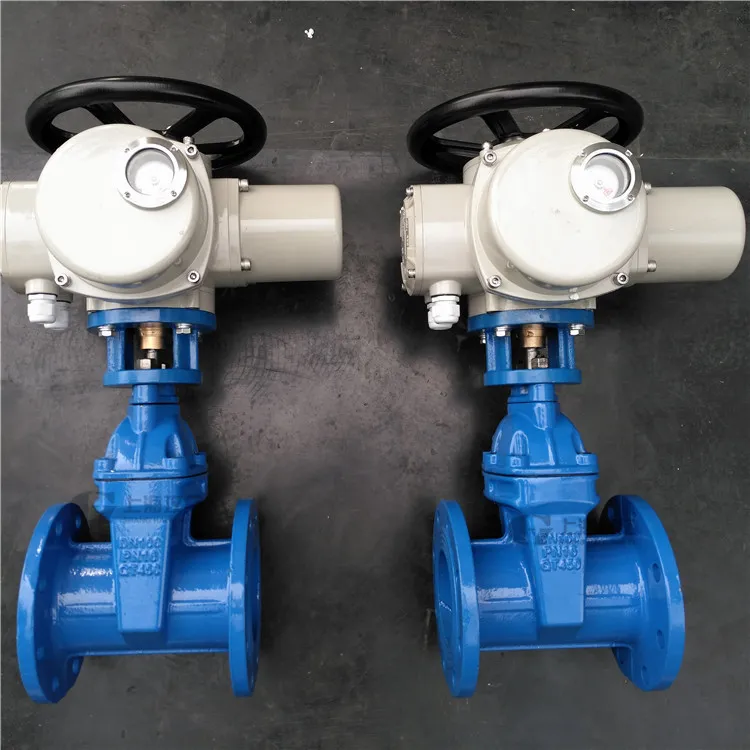
The Importance of Open Water Valves in Modern Infrastructure Water is one of the most essential resources for human survival, playing a crucial role in agricultural, domestic, and industrial applications. As cities grow and technology advances, the management and distribution of water have become increasingly complex. Among the critical components of water management systems are open water valves, which serve as the lifelines to ensure that water flows where it is needed, when it is needed. Open water valves are mechanical devices that regulate the flow of water in pipes and other water distribution systems. These valves can be either manually operated or automated and are found in various settings, including municipal water supply networks, irrigation systems, and industrial processes. Their primary purpose is to control water flow, allowing for the distribution of this vital resource to various areas. One of the primary advantages of open water valves is their ability to facilitate efficient water management. In urban environments, municipalities face the challenge of providing clean and reliable water to thousands, if not millions, of residents. Open valves enable efficient distribution, preventing wastage and ensuring that every household receives its fair share of water. Moreover, they allow for quick adjustments in response to fluctuating demand, whether it be due to seasonal changes, population growth, or infrastructure developments. In agricultural settings, open water valves are instrumental in optimizing irrigation practices. Farmers often rely on controlled water delivery to their crops, as excess or insufficient water can drastically affect yield . By utilizing open valves, farmers can regulate the flow of water to different sections of their land, ensuring that every plant receives adequate hydration without overwatering. This not only conserves water but also promotes healthier crops and sustainable farming practices. open water valve Automation has revolutionized the functionality of open water valves in recent years. Smart water management systems use sensors and real-time data analytics to monitor water flow, pressure, and quality. Automated valves can respond to changes in demand inadvertently, adjusting flow rates and conserving resources. These technological advancements have led to improved efficiency and reduced operational costs for water utilities while minimizing the risk of leaks and water loss. However, the open water valve system is not without its challenges. Regular maintenance is crucial to ensure that these valves function correctly. A neglected valve can lead to leaks, reduced water pressure, and even contamination of the water supply. Municipalities and utilities must invest in routine inspections and repairs to maintain the integrity of their water distribution systems. Additionally, natural disasters such as floods or earthquakes can severely impact the functionality of open water valves, leading to catastrophic water loss or destruction of essential infrastructure. Public awareness and education are also vital components in supporting the management of open water valves. Communities can play a proactive role by reporting leaks, understanding water conservation practices, and participating in local water management initiatives. By encouraging residents to engage with their water supply systems actively, municipalities can foster a culture of responsibility and sustainability. In conclusion, open water valves are essential elements in the effective management of water resources. They provide a mechanism for controlling flow, ensuring equitable water distribution in urban and agricultural settings, while technological advancements promise enhanced efficiency through automation. However, ongoing maintenance, community engagement, and education are vital to addressing the challenges associated with these critical components of our water infrastructure. As we continue to navigate a future where water scarcity becomes an increasing concern, the role of open water valves will undoubtedly be integral to our strategies for sustainable water management.
-

High quality industrial productsagement

High quality industrial products
View Details -

Meet the diverse needs of customers

Meet the diverse needs of customers
View Details -

Strict quality control

Strict quality control
View Details -

Top raw materials

Top raw materials
View Details -

Trusted supplier

Trusted supplier
View Details
Our application

news and information
Välineet tarkkuusmittaamiseen syvyysmittari 18-35 mm halkaisijalle
Dial bore gauge on yksi tärkeimmistä työkaluista tarkkuusmittauksessa teollisuudessa, erityisesti ku
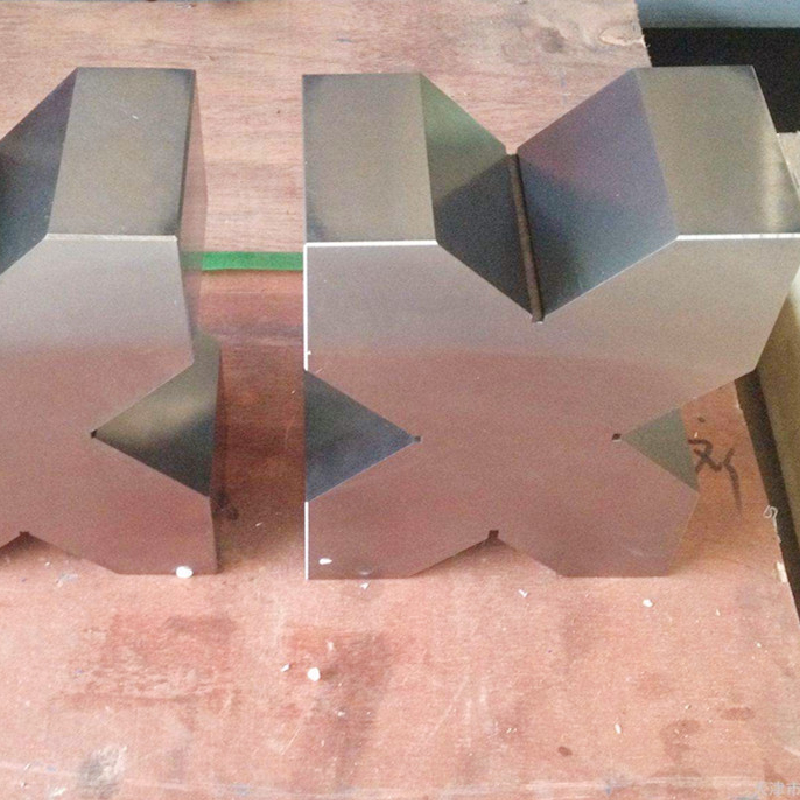
Versatile Portable Welding Table for Convenient and Efficient Metal Projects
The Versatility and Importance of Portable Welding Tables In the realm of metalworking, welding stan

Versatile L-Shaped Metal Ruler for Precision Measuring and Layout Tasks
The Versatility of the Metal L-Shaped Ruler In the realm of tools and instruments, few items are as
 English